Medicine with Passion
and Experience
Professor Petrides combines 40 years of experience in hematology and oncology with scientific curiosity and a deep understanding of individual patient needs.
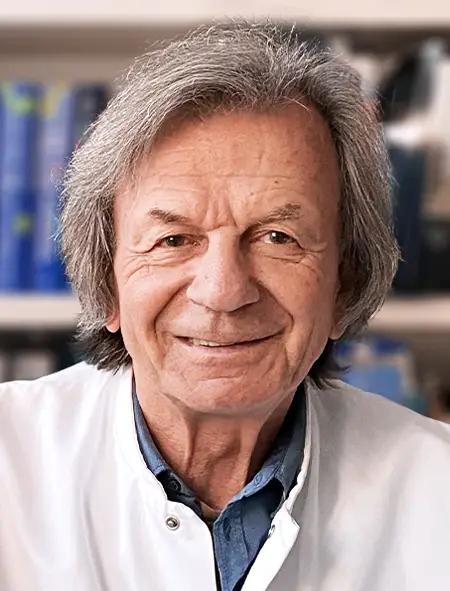
I practice a medicine that is guided by the individual needs of each person, is grounded in conventional medicine, yet remains open to other fruitful developments.
For 50 years I have been practicing medicine, 40 of them in the field of hematology and oncology. I spent most of this time at universities in other European countries, the United States and Germany, and have taught generations of students over more than 50 years. For this reason, I can combine medicine at a university level with the individuality of a small practice.
From the beginning, my work has been shaped by scientific curiosity and the applicability of scientific findings in clinical practice. Years at various research institutions abroad gave my work an international orientation and laid the foundation for international networks. My enthusiasm for research, and for teaching as well, led me at a young age to launch a textbook that has since become a standard work in medicine.
Projects of this kind require a broad orientation, which is also reflected in the choice of research projects. They range from growth factors and proteases to storage diseases, renal cancers and myeloproliferative neoplasms (malignant diseases of the blood-forming organs). Many of the findings have found their way into everyday clinical practice.
This broad interest also shapes my daily work: on the one hand, I specialize in individual fields such as myeloproliferative disorders (neoplasms), porphyrias or iron metabolism. On the other hand, I continuously engage with newly developed diagnostics and therapies for a wide variety of leukemias and tumors and apply them regularly. My 40 years of experience as an oncologist play a very important role in this.
Above all, rare diseases have been my particular interest for more than 30 years. In doing so, I increasingly use new techniques such as exome analysis or gene panel diagnostics. I have also consistently continued my scientific projects in the practice (directly with patients), since today scientists gain essential insights through observation in humans, not in mice. This closeness to experimental science is the reason why I follow medical guidelines while, in the individual case, giving priority to adapting to the individual situation.
For this reason, I still conduct clinical research (proteome analysis in MPN patients, metabolic studies in porphyria patients) and participate in international clinical trials.
I am a proponent of medicine built on dialogue. That is why I take sufficient time for the conversation with my patients. These conversations result in recommendations, for example on treatments, which the patient can then decide on in an informed and self-determined way.
I am happy to provide second opinions. Conversely, I advise my patients to seek a second opinion if they feel the need for additional advice.
In summary, I practice a medicine that is guided by the individual needs of each person, is grounded in conventional medicine, yet remains open to other fruitful developments. And this aspiration can be realized very well in a small practice.
International career in clinical medicine and basic research
Professor Petrides completed his medical training in Germany and later gained valuable experience at leading universities and research institutions in the United States.
I was born in Berlin, Germany. My family descends from Greeks who had migrated to Asia Minor (Cappadocia, now Turkey) and returned to Greece in 1923. The German side of the family comes from the Reiche family of entrepreneurs in Dresden (www.antonreiche.de).
After finishing high school in Berlin, I studied medicine at the Universities of Freiburg im Breisgau and Munich (LMU), graduating with the state examination in 1975. I also passed the ECFMG examination (Educational Commission for Foreign Medical Graduates) for the United States.
I then earned my doctorate with a biochemical thesis on insulin secretion from the islets of Langerhans at the Institute for Diabetes Research (Head: Prof. Otto H. Wieland).
Afterwards I began my clinical training in Munich: in surgery (Prof. Georg Maurer) at the Technical University, in endocrinology (Prof. Helmut Mehnert) at Schwabing Municipal Hospital, and in dermatology (Prof. Otto Braun-Falco) at LMU Munich. I also completed a short additional training in chemistry.
1978
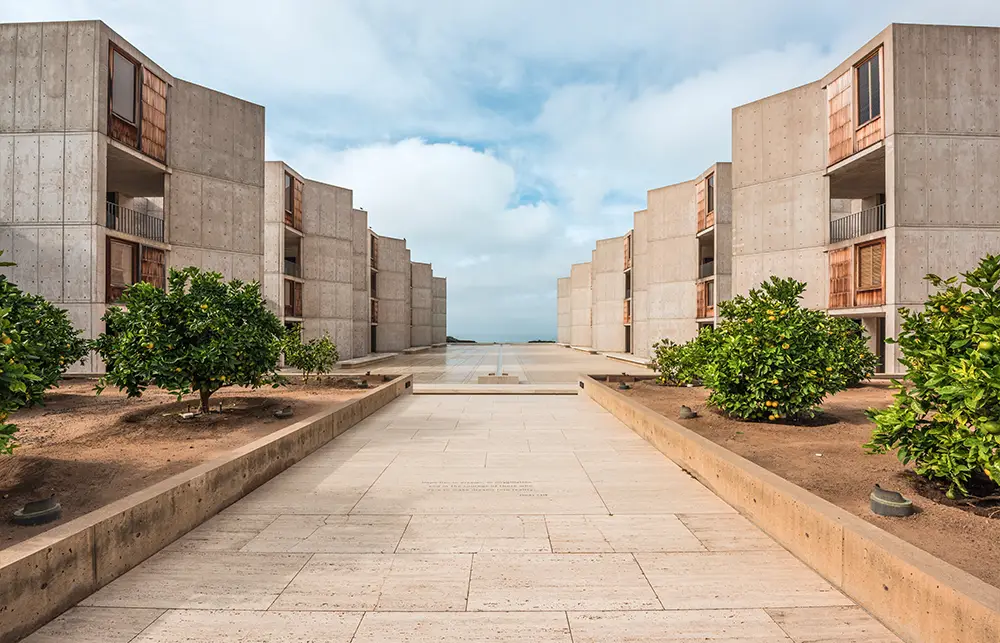
In 1978 I moved to California, where I spent two years in the Laboratories for Neuroendocrinology at the Salk Institute for Biological Studies in La Jolla, San Diego, California (Head: Prof. Roger Guillemin, 1977 Nobel laureate in Medicine). My work there focused on isolating growth-promoting polypeptides such as insulin and insulin-like growth factors.
1980
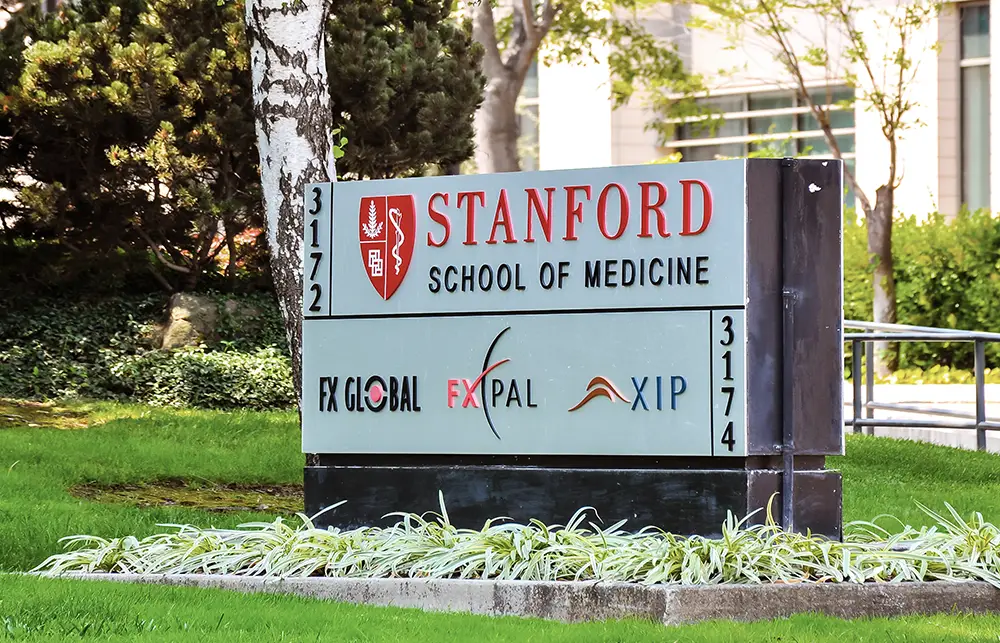
From 1980 to 1984 I conducted oncology research at Stanford University School of Medicine in Palo Alto, California (Head: Prof. Eric M. Shooter), focusing on epidermal and neuronal growth factors such as EGF and NGF, and worked as a visiting physician in the Department of Endocrinology.
1984
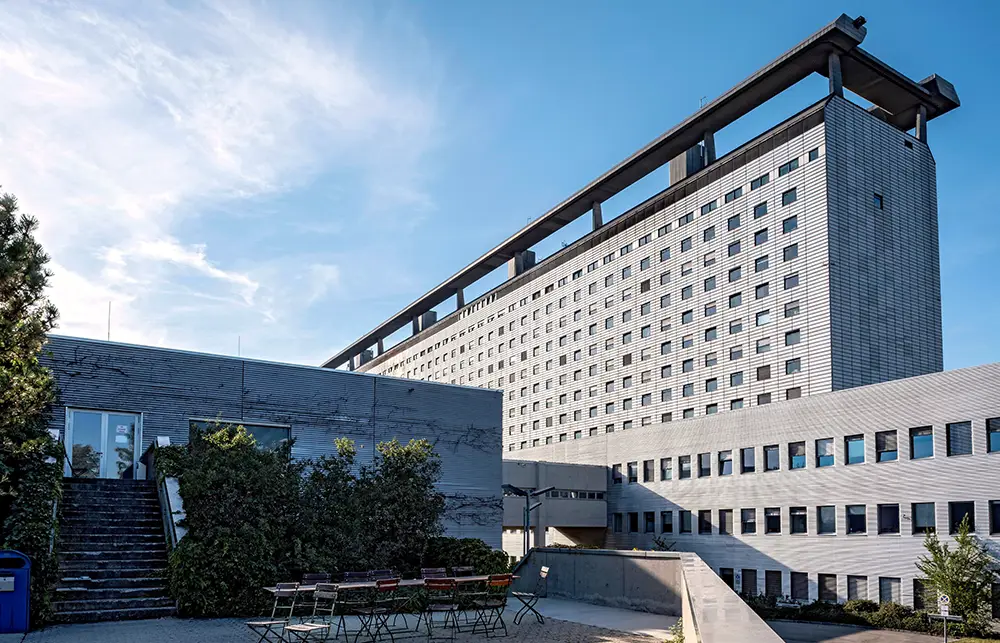
After returning to Germany, I worked as an internist at the Großhadern University Hospital of Ludwig-Maximilians-Universität München (Prof. Wolfgang Wilmanns, MD) and completed my specialist training in hematology and oncology. I also became a senior faculty member there.
My research covered leukemia, renal cancer, Gaucher disease, acute porphyrias, chronic myeloproliferative disorders, myeloperoxidase deficiencies and other topics.
1998
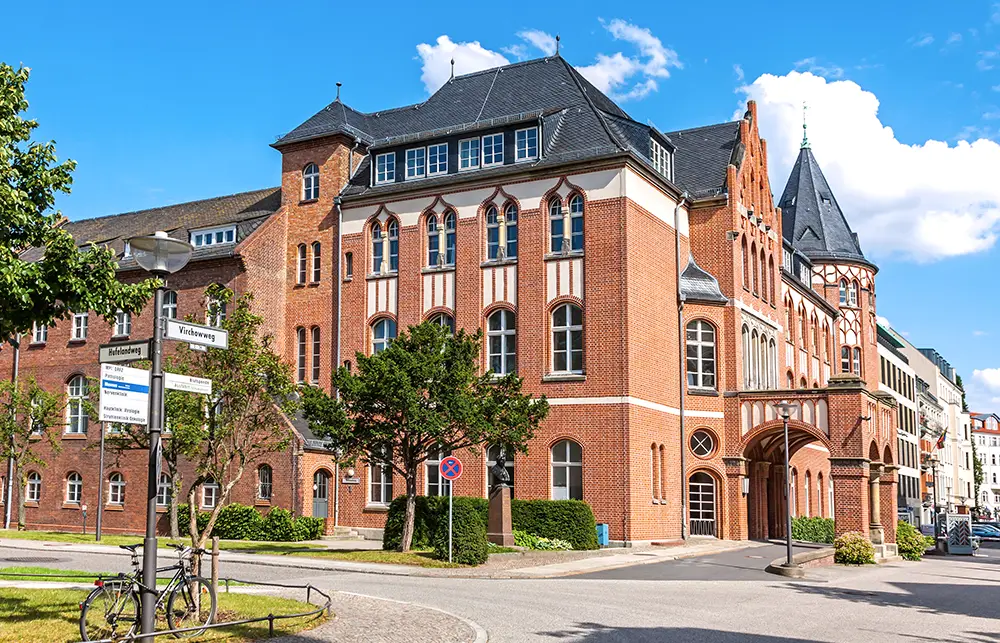
In 1998 I was appointed Professor of Internal Medicine at the Charité of Humboldt University Berlin and Head of the Outpatient Oncology Clinic at the Charité University Hospital in Berlin-Mitte.
since 2000
In 2000 I resigned from this post and returned to Munich to establish the Hematology Oncology Center and to teach at the University of Munich.